
New York makes it easy to eat and drink all day: coffee on the commute, a desk snack, takeout, a sports drink after the gym, and something sweet on the way home. Cavities are not caused by one dessert or one “bad” food. Risk rises when bacteria in dental plaque repeatedly use sugars and starches to produce acids that pull minerals from enamel. That means frequency, timing, oral hygiene, fluoride, and saliva matter alongside the total amount consumed.
Why sipping and grazing matter
Each exposure to fermentable carbohydrate can start an acid attack. Saliva needs time to dilute acids and help minerals return to enamel. Slowly sipping a sweetened coffee for hours or grazing on crackers throughout the afternoon can create repeated exposures, even when each portion seems small. Keeping snacks and sweet drinks closer to mealtimes generally gives the mouth more recovery time.
Drinks that deserve attention
Soda, sweet tea, energy drinks, many bottled coffees, sports drinks, and juice can deliver sugar, acid, or both. “Natural,” organic, or vitamin-enriched does not make a drink harmless to enamel. Diet soda may remove sugar from the equation but can still be acidic. Water is the most tooth-friendly everyday choice. The NYC Health Department notes that fluoride in New York City tap water helps prevent tooth decay.
If you choose an acidic or sweet drink, have it with a meal rather than nursing it all day, and follow with water. A straw may reduce contact with some front teeth but does not protect the entire mouth. Wait before brushing immediately after a strongly acidic item, because enamel is temporarily softened.
Build better snack defaults
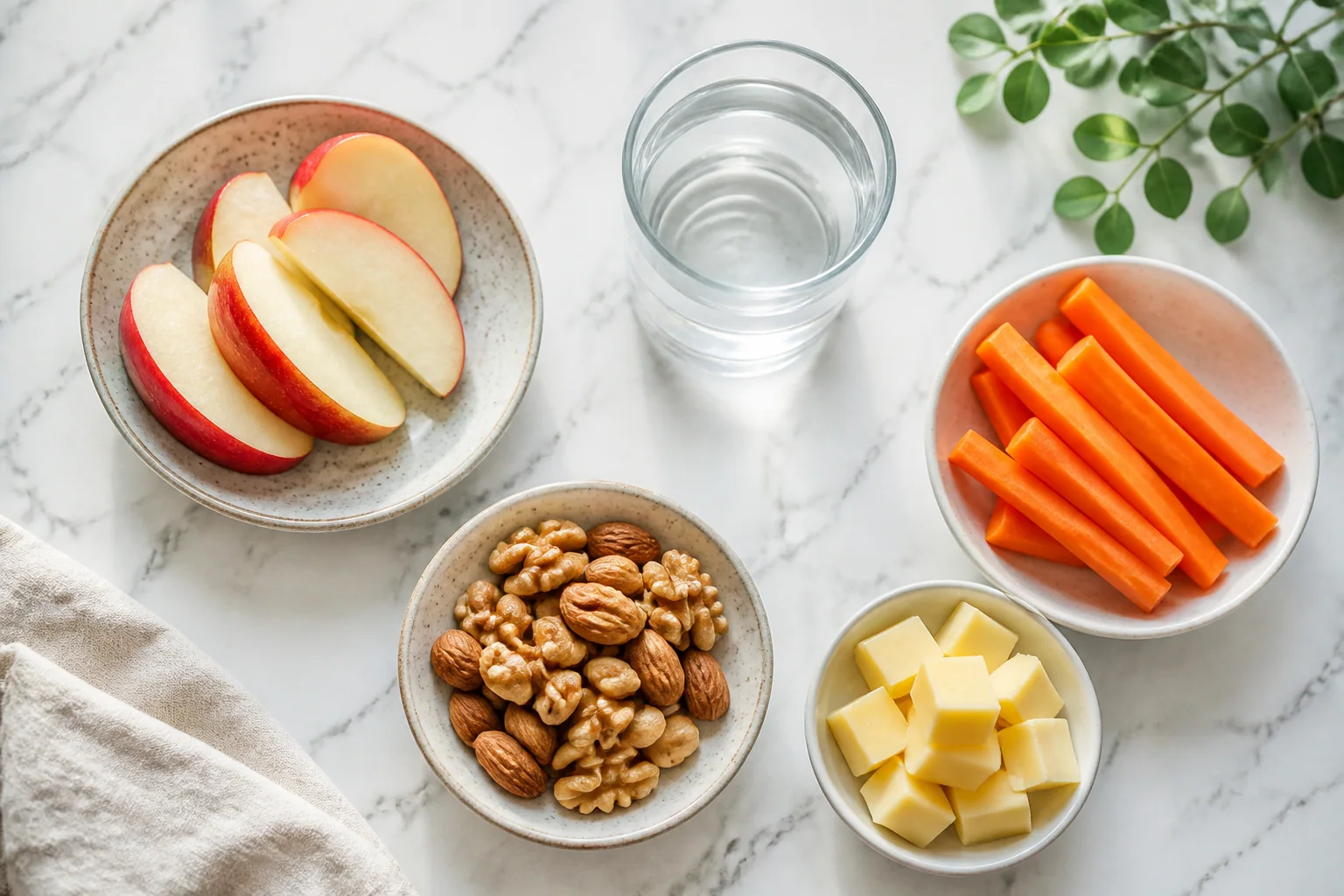
- Choose plain nuts, cheese, crunchy vegetables, or whole fruit more often than sticky candy and refined crackers.
- Pair carbohydrate-rich foods with a meal instead of eating them alone throughout the day.
- Carry a reusable water bottle so hydration is easier during commutes and errands.
- Check labels for added sugars in drinks, yogurt, granola bars, sauces, and “healthy” snacks.
- Use sugar-free gum after meals when brushing is not possible if it is safe for you; it can stimulate saliva but does not replace cleaning.
Fluoride and daily cleaning still matter
Diet changes work best alongside twice-daily brushing with fluoride toothpaste and daily cleaning between teeth. Fluoride helps enamel resist acid and can support repair of very early mineral loss before a physical cavity forms. Professional exams can identify early changes that are invisible or painless and determine whether fluoride treatments or sealants are appropriate.
Consider dry mouth
Saliva is a major part of the mouth’s defense. Medications, dehydration, some medical conditions, tobacco, and mouth breathing can reduce it. Frequent sipping of sugary drinks to relieve dryness can compound risk. Tell a dentist or physician about persistent dry mouth so its cause and safer relief strategies can be reviewed.
You do not need a joyless diet to protect your teeth. Enjoy sweets intentionally, reduce all-day exposure, make water the default, and keep a consistent cleaning routine. Small choices repeated across hundreds of NYC meals matter far more than trying to be perfect for one week.
A realistic one-day pattern
Have breakfast and finish coffee rather than carrying a sweetened cup through the morning. Choose water between meals, eat a planned snack if hungry, and include dessert with dinner instead of grazing later. Clean between teeth and brush with fluoride toothpaste before bed. This pattern is not a strict menu; it simply concentrates exposures and protects recovery time. If a medical condition requires frequent food or special drinks, ask a dentist and your medical clinician for individualized strategies.
Leave a Reply