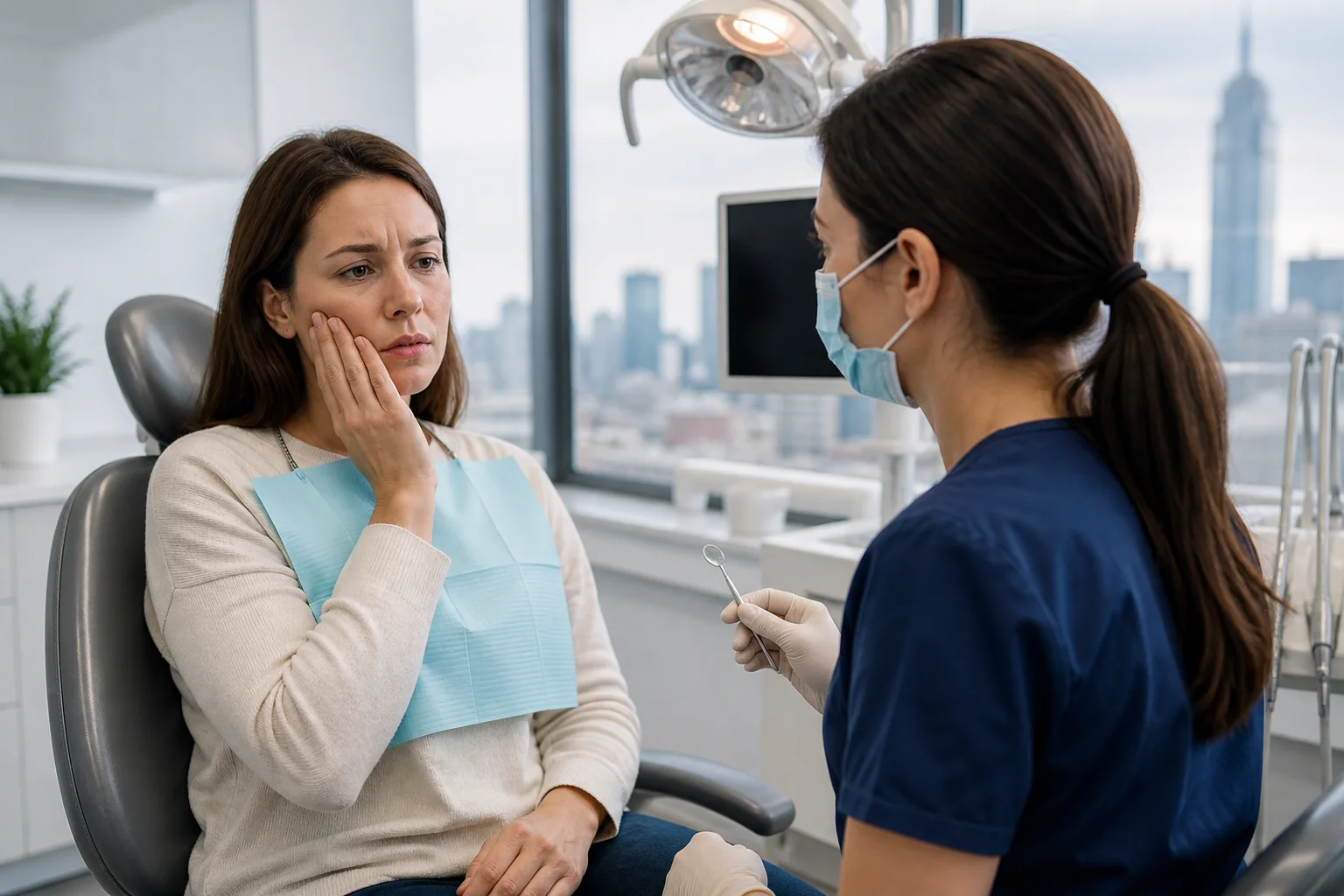
A dental emergency can interrupt an ordinary New York day without warning. The first priorities are to stay calm, protect the injured area, and contact a dentist who can assess the situation. Home steps may reduce discomfort or prevent additional damage, but they do not replace professional care. If an injury involves severe bleeding, loss of consciousness, a suspected jaw fracture, trouble breathing, or trouble swallowing, call 911 or go to an emergency department.
Severe toothache or swelling
Rinse gently with warm water and clean between the teeth to remove trapped food. Do not place aspirin, alcohol, or another chemical directly on the tooth or gums; these can irritate tissue. A cold pack held against the outside of the cheek for short intervals may help with swelling. Contact a dentist promptly, because pain can come from decay, a crack, an inflamed nerve, gum infection, or another problem that requires an examination.
Swelling deserves particular attention. Fever, rapidly increasing facial or neck swelling, difficulty opening the mouth, or trouble breathing or swallowing may indicate a spreading infection. Seek urgent medical care rather than waiting for a routine appointment.
Knocked-out adult tooth
Time matters. Pick up the tooth by the crown—the white part you normally see—not the root. If it is dirty, rinse it briefly and gently without scrubbing or removing attached tissue. If the person is alert and it can be done safely, the tooth may be placed back in its socket in the correct direction. Otherwise, keep it moist in milk or a tooth-preservation solution and seek immediate dental care. Never reinsert a knocked-out baby tooth, because doing so can damage the developing permanent tooth.
Broken, cracked, or displaced tooth
Save any pieces, rinse the mouth gently, and protect the area from further impact. Avoid chewing on that side and avoid very hot, cold, or sugary foods if they trigger pain. A tooth that has moved out of position needs prompt care; do not force it. Even a small-looking fracture can expose a sensitive inner layer or extend below the gumline, so arrange an examination.
Lost filling, crown, or dental appliance problem
Keep a crown or restoration in a clean container and call the dental office. Do not use household glue. Orthodontic wire that is rubbing the cheek may sometimes be covered temporarily with orthodontic wax, but cutting a wire or altering an appliance can create new risks. A broken denture should be professionally repaired rather than reshaped at home.
Prepare before an emergency happens
- Save your dentist’s daytime and after-hours numbers in your phone.
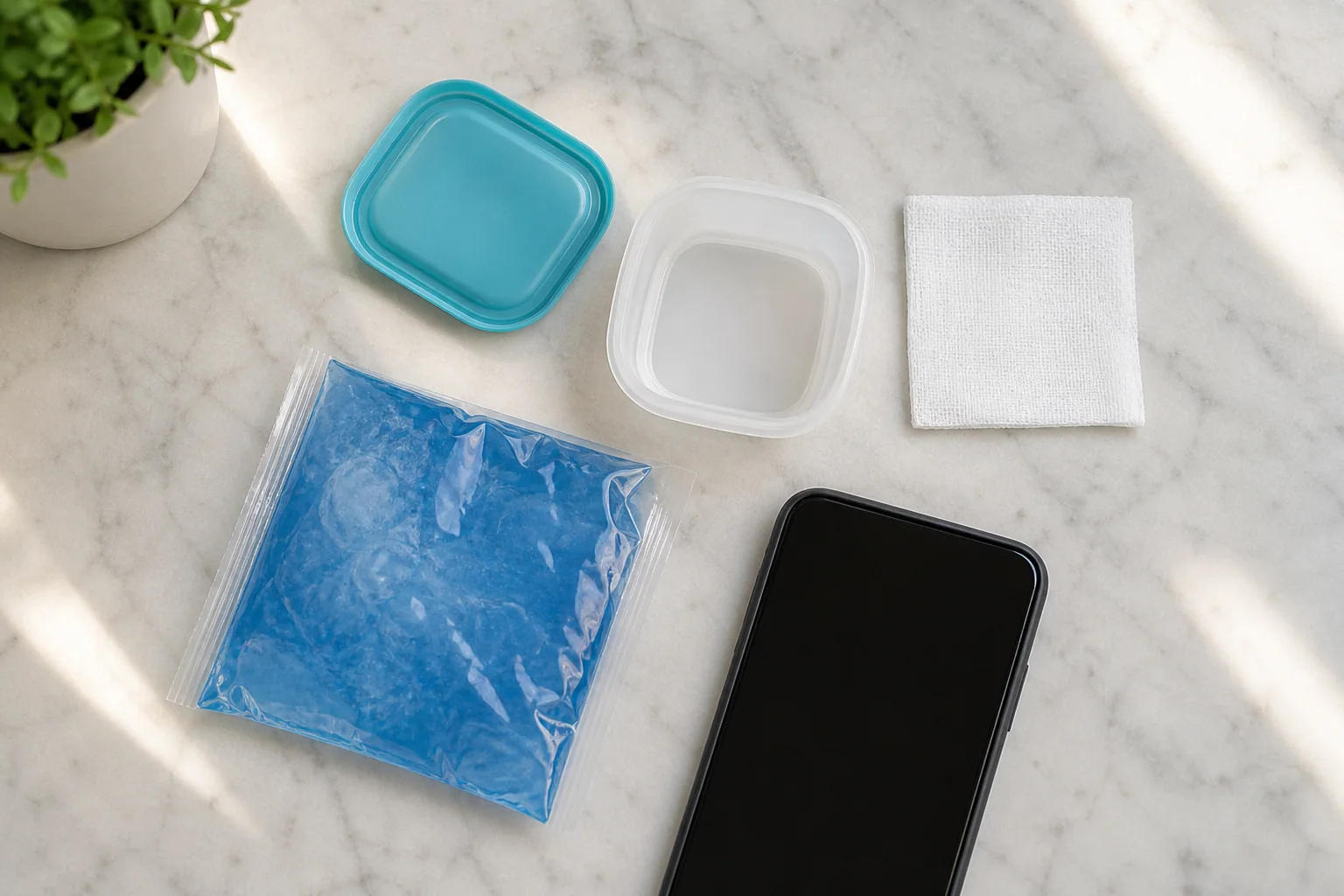
- Keep clean gauze, a small lidded container, and a cold pack at home.
- Wear a properly fitted mouthguard for contact or collision sports.
- Know which urgent dental offices are reachable from home, work, and school.
- Bring identification, medication information, and insurance details when seeking care.
When you call, describe when the problem started, the location and severity of pain, swelling, fever, trauma, bleeding, and any medical conditions or medications. Clear information helps the dental team decide how quickly you should be seen. This guide is general education; an in-person professional must diagnose the cause and recommend treatment.
Getting to care safely
Do not drive if pain, medication, dizziness, or an injury makes it unsafe. Ask someone to accompany you when significant trauma or sedation may be involved. For children, bring a parent or legal guardian who can provide consent and health history. Continue taking prescribed medicines unless a qualified clinician instructs otherwise, and tell the dental team about allergies and blood thinners. Acting quickly is useful, but clear communication and safe transportation are part of emergency care too.
Leave a Reply